
What is Inducement?
A pool of liquidity (typically a minor swing high/low) placed BEFORE a major level to lure retail traders in before sweeping their stops.
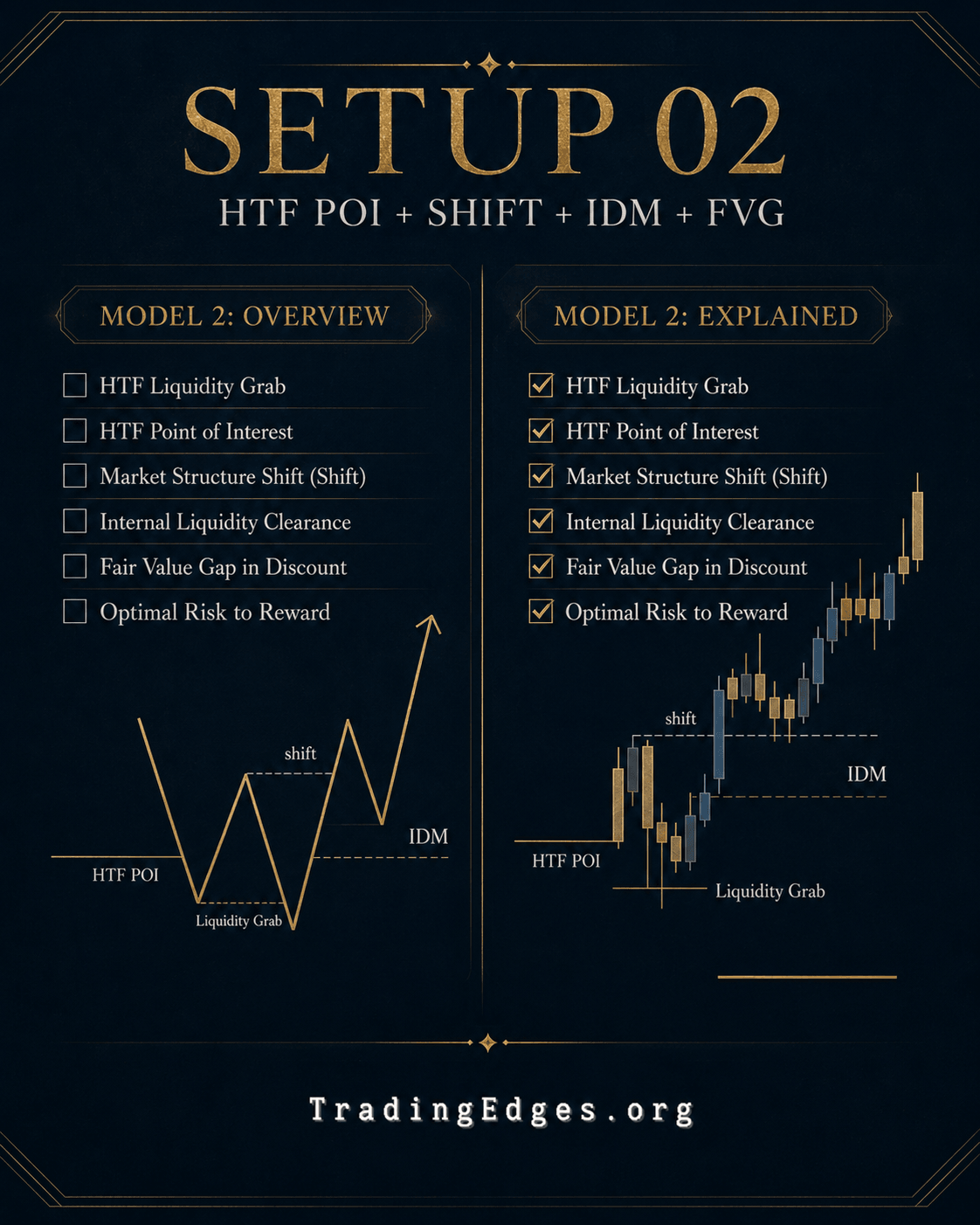
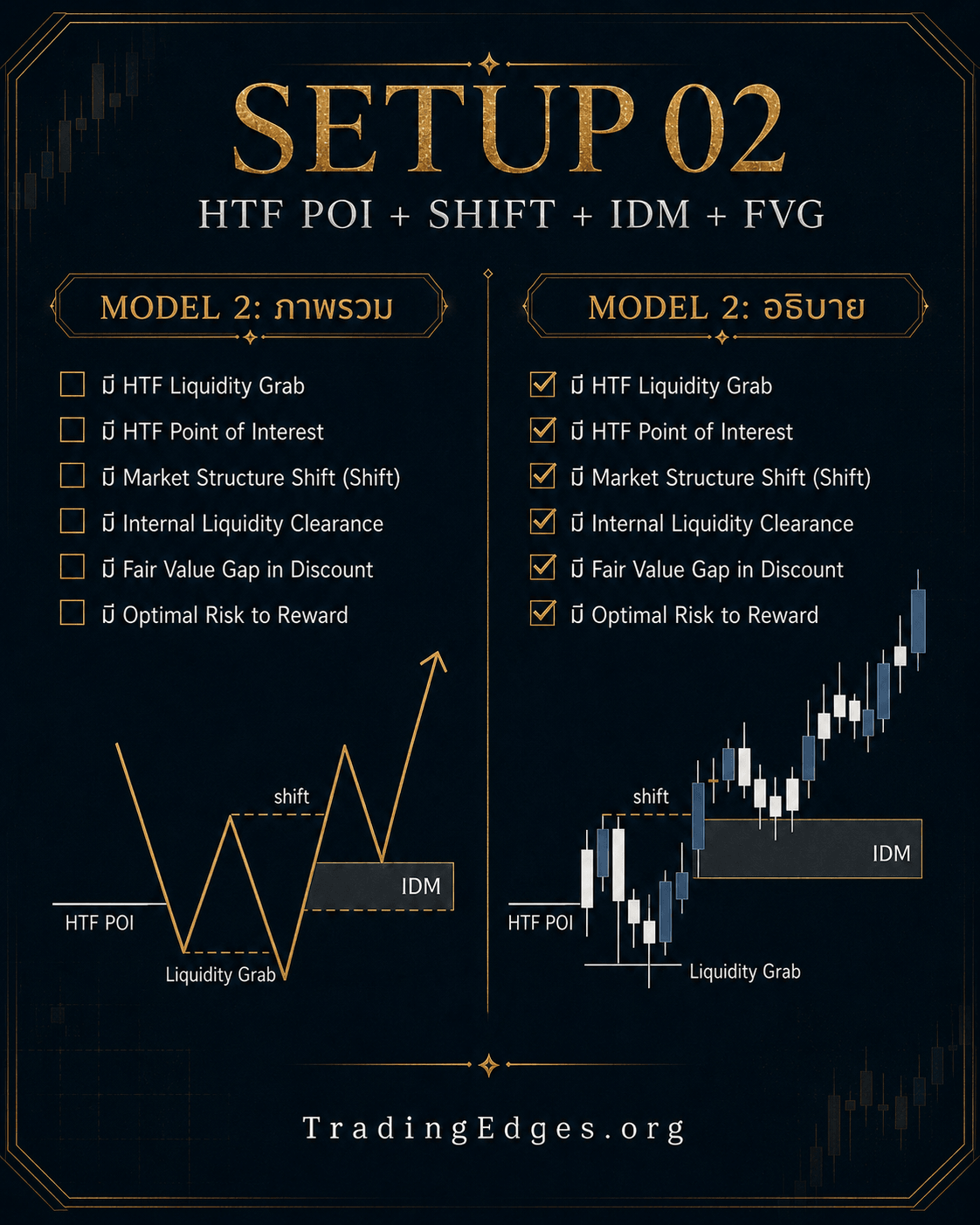
Inducement explained
Inducement is the technical name for a "lure" — a minor swing point positioned just before a major structural level. Retail traders see the minor level as confirmation and enter early. Their stops then become the liquidity that funds the move past the major level.
Example bullish setup: there's a major support zone at 1.0850 on EURUSD. Just above it at 1.0875 is a smaller, recent swing low. Retail traders see the 1.0875 hold, enter long. Price then sweeps below 1.0875 (the inducement), triggers retail stops, fills institutional buy orders, and the actual reaction begins at 1.0850.
Spotting an inducement before it traps you
Pattern recognition: when you identify a major higher-timeframe level, look for any minor swing points within 10-30 pips before it. Those minors are likely inducements. Don't enter trades at the minor; wait for price to sweep them and then react at the actual major level.
The distinguishing trait: inducement levels look "almost as good" as the major level but have less context — fewer touches historically, weaker structural significance, no higher-timeframe alignment.
Inducement vs Liquidity Sweep
An inducement IS a type of liquidity sweep — but specifically the kind that occurs BEFORE the real entry point. A general liquidity sweep can happen anywhere; inducement is by definition the sweep that precedes a higher-conviction reaction zone.
In practice: most cleanly-formed inducements look like price respecting a level, breaking it as the sweep, then rallying from a slightly deeper level (the real institutional zone). Two-level confluence — the inducement and the real level — defines high-probability setups.
- Entering at the inducement level itself — the sweep traps you
- Not waiting for confirmation at the major level after the inducement sweep
- Treating every nearby minor as an inducement — most have no impact
- Stop too tight when entering past an inducement — gives room for one more spike